
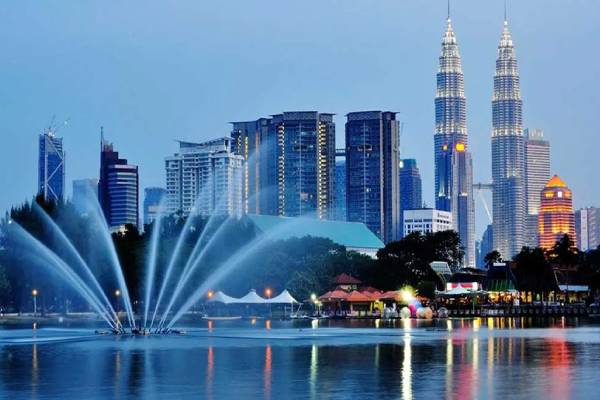
Most new SME founders in Malaysia pour their energy into perfecting the business model — the menu, the pricing, the branding — and treat location as an afterthought. That’s a costly oversight. Two nearly identical F&B concepts can perform completely differently depending on where they open: a Klang Valley mall with steady foot traffic versus a town where the target crowd simply isn’t there yet. The state a business is based in shapes almost everything downstream — the customers walking through the door, the staff available to hire, and the rent eating into the monthly budget.
Rents are up. Talent is harder to hold onto than it used to be. Everyone’s chasing the same TikTok trends, which means differentiation matters more than ever. But here’s the encouraging part: 2026 is shaping up to be a genuinely good year to start a business in Malaysia. Growth is holding steady in the 4% range, government financing for MSMEs is flowing more freely under the Ekonomi MADANI push, and Visit Malaysia 2026 is about to pour tourist ringgit into states that have been quietly preparing for it.
So let’s talk location like grown-ups. Not the tourist-brochure version — the real one, with the traffic jams, the hiring headaches, and the genuinely exciting upside. Here’s our team’s rundown of the best states in Malaysia to start an SME this year, ranked with an eye on infrastructure, cost, talent, and — most importantly — whether people there will actually buy what you’re selling.
10. Kedah — The Quiet Overflow Everyone’s Sleeping On
The vibe & reality: Kedah doesn’t shout. It’s the padi fields and Thai border crossings state in most people’s minds, which is exactly why savvy operators are getting in early. Kulim Hi-Tech Park has been steadily absorbing overflow investment from an increasingly crowded Penang, dragging a whole supply chain of opportunity along with it.
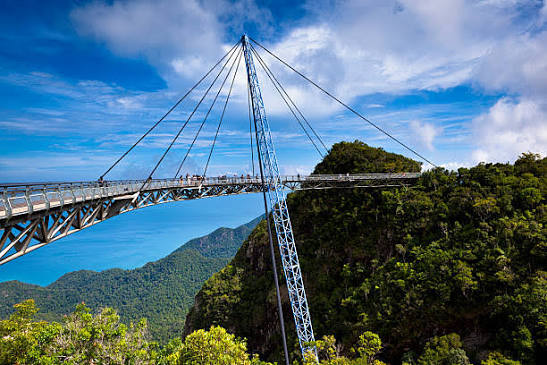
Where the money is: Semiconductor support services, agro-tech, and halal food processing. Businesses that can service the electronics giants setting up in Kulim without needing to be physically inside their compound are in a strong spot.
The big perks:
- Industrial and commercial rent that makes a Penang landlord blush
- Genuine government appetite to court investment away from saturated states
- A rice-bowl agricultural base that’s underused for agro-processing SMEs
The reality check: Good technical talent doesn’t just fall out of the sky here. Founders should expect to train people up or convince them to relocate, and that takes more patience than most first-time business owners plan for.
9. Pahang — Space, Silence, and an Underrated Tourism Engine
The vibe & reality: Pahang is Malaysia’s biggest state by land, and it feels like it. Kuantan hums along steadily, Genting and Cameron Highlands pull in weekend crowds from KL like clockwork, and there’s a laid-back, unhurried energy to doing business here that either suits an operator or slowly drives them mad.
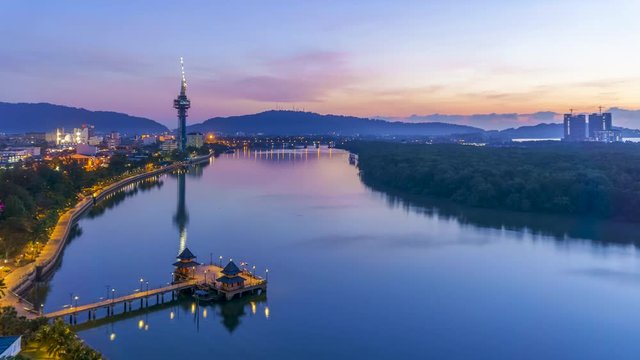
Where the money is: Eco-tourism, homestays, agribusiness, and anything that can plug into the Malaysia-China Kuantan Industrial Park’s export pipeline.
The big perks:
- Some of the lowest operating costs in the Peninsula, full stop
- Land — actual usable land — for plantation-based and agro businesses
- A steady stream of Klang Valley weekenders craving highland air and cheap durian
The reality check: Step outside Kuantan or the highland resort towns and infrastructure gets patchy fast. Delivery timelines and supplier relationships need to account for that.
8. Negeri Sembilan — The Sensible Middle Child
The vibe & reality: Negeri Sembilan rarely gets the spotlight, and honestly, that suits the manufacturers and logistics operators who’ve quietly built solid operations here. Seremban sits close enough to KL and Port Klang that businesses get the connectivity without the Klang Valley price tag.
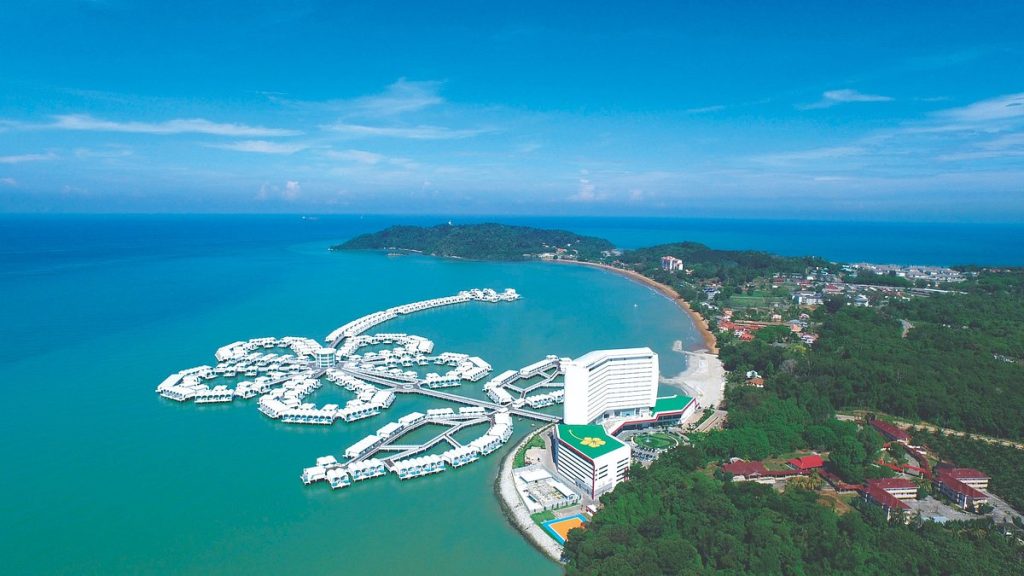
Where the money is: Automotive component manufacturing, warehousing, halal-certified food exports — the unglamorous, dependable stuff that keeps supply chains running.
The big perks:
- An established base of automotive and electrical OEMs already operating here
- Highway and rail links that make Port Klang and KLIA genuinely reachable
- Lower industrial rent without sacrificing accessibility
The reality check: Talent gravitates toward Selangor’s bigger paychecks and bigger city lights. Employers here need a real reason — pay, growth path, or hybrid flexibility — to keep good people from commuting north permanently.
7. Melaka — Heritage Charm With a Surprising Tech Backbone
The vibe & reality: Most people think Melaka, they think chicken rice balls and Jonker Street. Fair enough — that tourism engine is real and consistent. But underneath the heritage-town charm, Melaka has been building a genuine reputation in electronics assembly and medical device manufacturing.
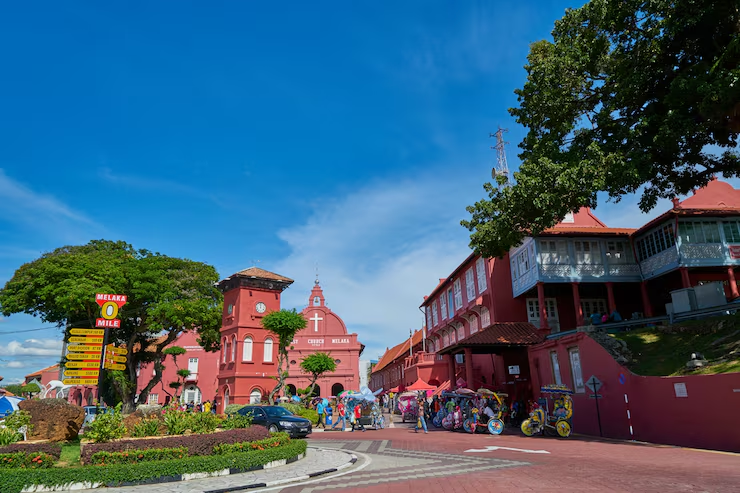
Where the money is: Heritage tourism, F&B, boutique retail on one side; precision electronics and MedTech manufacturing on the other. Two very different Melakas, both working.
The big perks:
- UNESCO heritage status means tourist footfall that doesn’t dry up
- A deliberate state push toward medical technology investment
- Compact geography that keeps logistics manageable across the whole state
The reality check: Heritage zoning rules in the historic core are strict. Anyone opening a shop near Jonker Street should budget extra time and patience for renovation and signage approvals.
6. Sabah — Big Views, Bigger Opportunity
The vibe & reality: Kota Kinabalu has an energy that’s hard to describe until you’ve stood on the waterfront at sunset watching Mount Kinabalu turn orange. That natural drawing power is Sabah’s biggest business asset, and it extends well beyond tourism into agribusiness and seafood.
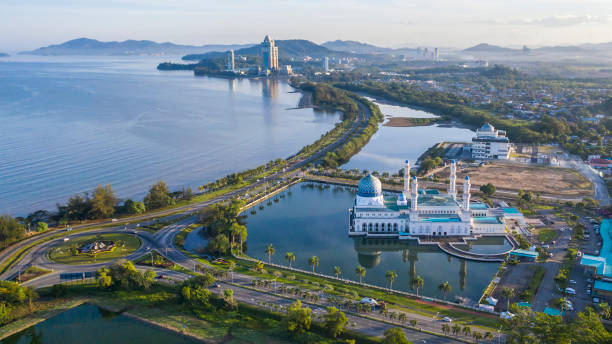
Where the money is: Eco-tourism and dive operations, palm oil downstream processing, seafood export, halal food products.
The big perks:
- A tourism brand that sells itself internationally — Sipadan and Mount Kinabalu need no introduction
- Rich natural resources feeding a genuine agribusiness and food processing sector
- Growing direct international flight connections into KK
The reality check: Being in East Malaysia means everything shipped from the Peninsula costs more and takes longer. That needs to be factored into pricing from day one, not treated as an afterthought once margins start bleeding.
5. Sarawak — The Ambitious One
The vibe & reality: Sarawak is a state genuinely betting big on its own future. The state government has its own development corridor strategy, its own incentive schemes, and a real hunger to diversify beyond timber and oil into renewable energy and digital services.
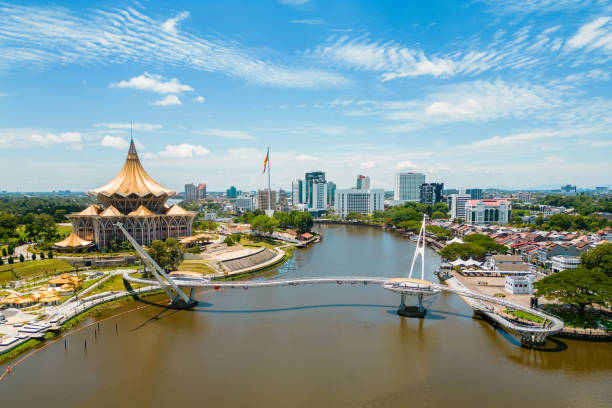
Where the money is: Renewable energy services, digital economy and IT, agritech, construction support tied to Sarawak’s infrastructure buildout.
The big perks:
- Cheap, abundant hydroelectric power — a genuine edge for energy-hungry operations
- State-level incentives that run separately from federal programs, and are often more generous
- Kuching itself is becoming a genuinely livable, increasingly cosmopolitan base
The reality check: Sarawak has real autonomy over land and certain licensing matters. Peninsula entrepreneurs who assume the rules work the same way here often get a rude awakening — local due diligence, or a local partner, goes a long way.
4. Perak — The Comeback Kid
The vibe & reality: Perak used to mean tin mining and not much else. That story’s changed. Ipoh, in particular, has reinvented itself as a retirement and slow-living destination with a food scene that genuinely rivals Penang’s — and manufacturers priced out of their home states have been quietly relocating here for years.
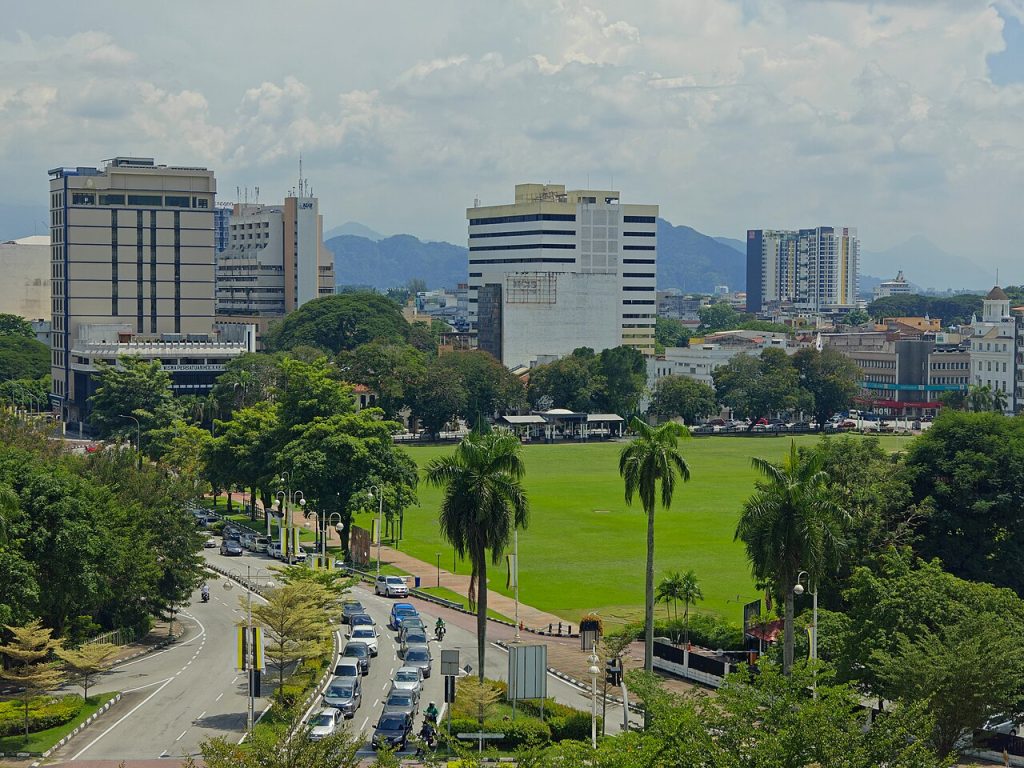
Where the money is: Manufacturing relocation, retirement living and eldercare services, F&B, medical tourism support.
The big perks:
- Rent that’s a fraction of what businesses pay in Penang or Selangor for comparable space
- A real, growing retiree and “digital nomad lite” population hungry for wellness and lifestyle businesses
- Solid North-South Expressway and rail connectivity
The reality check: Ipoh’s cool factor doesn’t automatically translate to a deep talent pool. The best hires may still be eyeing jobs in Penang, so employers need to sell the lifestyle, not just the paycheck.
3. Johor — Riding the Singapore Wave
The vibe & reality: Something genuinely big is happening in Johor Bahru right now — construction cranes everywhere, property prices climbing, and a steady flow of Singaporean money crossing the causeway. The Johor-Singapore Special Economic Zone has turned this state into one of the hottest investment stories in the country.
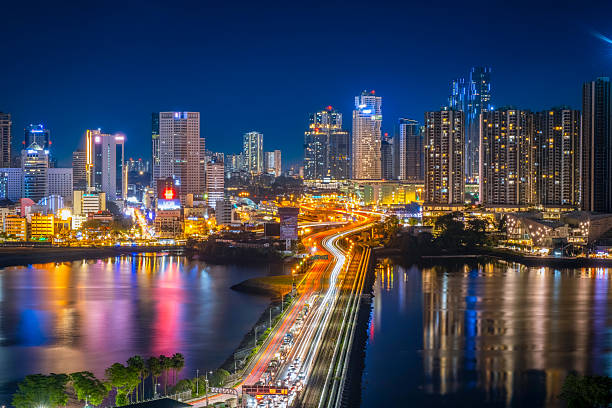
Where the money is: Logistics and freight, data center support services, F&B and retail chasing Singaporean weekend spenders, advanced manufacturing.
The big perks:
- The JS-SEZ is dragging multinational investment (and SME supplier opportunities) in its wake
- Direct access to Singapore’s high-spending consumer base, minutes away
- Strong port infrastructure through Tanjung Pelepas and Pasir Gudang
The reality check: The hype has driven commercial rents up fast, faster than a lot of founders expect. Anyone scouting Johor should verify current rates before committing — what was affordable eighteen months ago might not be today.
2. Penang — Still the Tech Crown Jewel
The vibe & reality: Penang earned its “Silicon Valley of the East” nickname the hard way, and it shows. Intel, AMD, and Bosch aren’t just names on a map here — they’ve built an entire ecosystem of suppliers, engineers, and support businesses around them. Add George Town’s food and heritage tourism, and this is a state with two genuinely strong economic legs.
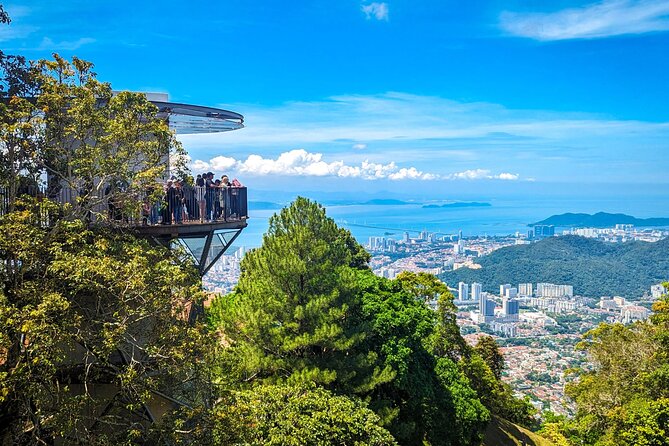
Where the money is: Tech and software services, F&B (Penang’s hawker scene needs no introduction), precision engineering supporting the semiconductor cluster, boutique hospitality.
The big perks:
- The deepest engineering and electronics talent pool outside Klang Valley
- A mature, established supplier network for anyone servicing the big manufacturers
- Genuine startup energy, with co-working spaces and accelerators that actually produce results
The reality check: Penang isn’t the bargain destination it was a decade ago. Commercial rent and salaries have climbed steadily, so unit economics need to reflect the state’s new reality, not its old reputation.
1. Selangor & Kuala Lumpur — Still the Center of Gravity
The vibe & reality: There’s no dethroning the Klang Valley, at least not yet. It’s crowded, it’s expensive, and the competition is relentless. It’s also where Malaysia’s money, talent, and infrastructure all converge, and for a huge range of business models, that convergence is worth the price of admission.
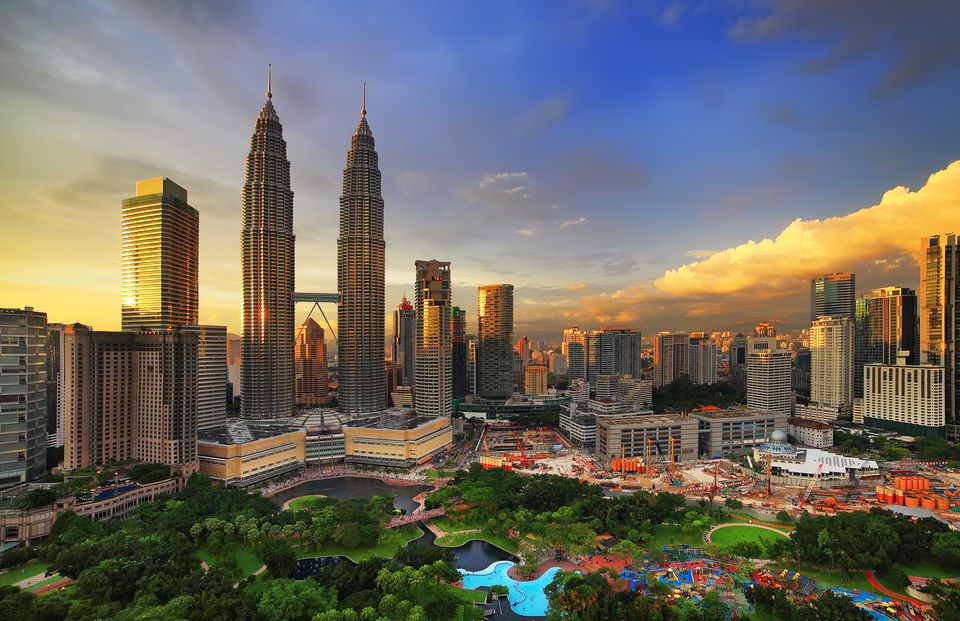
Where the money is: E-commerce and logistics, professional and financial services, retail and F&B, tech startups, business consulting — genuinely, almost everything works here with solid execution.
The big perks:
- The country’s biggest, highest-spending consumer market, full stop
- Infrastructure that’s simply unmatched — KLIA, Port Klang, and a highway and rail network that ties it all together
- The deepest talent pool in Malaysia, across nearly every skill category
- Proximity to the government agencies, banks, and investors SMEs eventually need face time with
The reality check: All of this comes at a price. Rent, salaries, and competition are steeper here than anywhere else on this list. This is a market won through volume and sharp positioning, not by being the cheapest option in the room.
So Which State Is Actually Right for You?
There’s no single “best” state on this list — only the state that fits a specific business.
- Opening an F&B or retail concept? Chase foot traffic — Penang, Melaka, or the Klang Valley reward consistent walk-in demand.
- Building something in manufacturing? Look at Johor, Perak, or Negeri Sembilan, where industrial land doesn’t eat margins alive.
- Running a tech or digital services outfit? Selangor, KL, and Penang offer the talent and client base needed to scale.
- Betting on tourism or hospitality? Sabah, Sarawak, Melaka, and Pahang all have natural or heritage assets doing half the marketing already.
- Working in agribusiness or agro-tech? Kedah, Sarawak, Sabah, and Pahang offer the land and government backing to actually make it work.
Every state on this list has a genuine case for being called one of the best states in Malaysia to start an SME — the deciding factor is never the ranking, it’s the fit. A tech founder chasing the wrong state’s talent pool will struggle just as much as a manufacturer paying Klang Valley rent for a business that never needed a Klang Valley address.
What sets this year apart is timing. Growth is steady, MSME financing is more accessible under the Ekonomi MADANI push, and states outside the traditional strongholds — Sarawak, Johor, Kedah — are investing seriously in the infrastructure and incentives to back it up. The opportunity is real. It just needs to be matched to the right map coordinates.
Where’s the next SME launching, and which state made the shortlist? Share it in the comments below — and keep exploring MalaysiaWide.com for more guides on starting a business in Malaysia, from registration and licensing to financing and beyond.
Place Your Advert Here
Partner with us to promote your brand to high-intent audiences exploring destinations throughout Malaysia.
Get Started